
Minority Miao’s Story
I. Origins
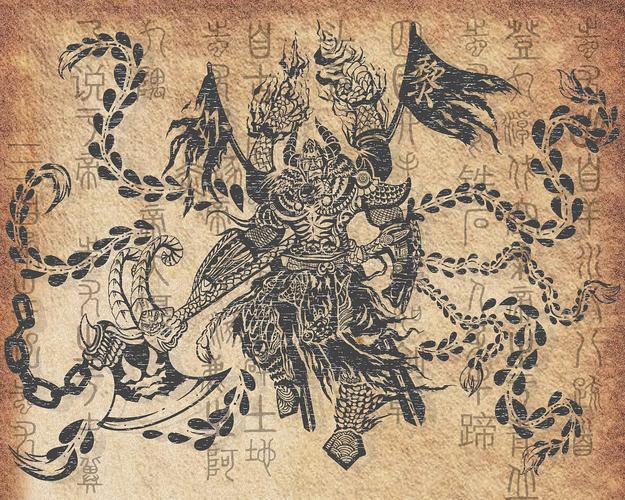
The history of the Miao people can be traced back to the ancient “Jiuli” tribal alliance. Their leader, Chiyou, is regarded as the ancestor of the Miao. According to Records of the Grand Historian, after Chiyou was defeated by the Yellow Emperor in the Battle of Zhuolu, the Jiuli tribe migrated south to the Yangtze River basin, forming the “Sanmiao” tribe. During the Xia and Shang dynasties, the Sanmiao further divided and gradually evolved into the main body of the Miao ancestors. The Miao ancient song Crossing Mountains and Rivers also records the mythological origins of their ethnic group.
II. Migration History
The Miao people have undergone five large-scale migrations in history, forming a unique “Eastern Gypsy” culture:
- Ancient Times: Migration from the Yellow River basin to the middle reaches of the Yangtze River (Hubei, Hunan).
- Qin-Han to Wei-Jin Periods: Under pressure from central plains dynasties, they migrated to the Wuling Mountains (western Hunan, eastern Guizhou).
- Tang-Song Periods: Some groups moved into the Yunnan-Guizhou Plateau, forming a scattered settlement pattern.
- Ming-Qing Periods: Due to wars (e.g., Zhang Xiumei’s Rebellion) and the “Tugai Guiliu” policy, they migrated to the deep mountains of the southwest and Southeast Asia.
- Modern Era: From the mid-19th to the 20th century, some Miao people migrated to Vietnam, Laos, and Thailand due to wars and economic reasons, with some refugees later relocating to Europe and America (e.g., the United States, France).
III. Distribution
- China: Approximately 11 million people (2020), mainly distributed in Guizhou (48%), Hunan (21%), Yunnan (12%), Guangxi, Chongqing, and Hubei. The Qiandongnan Miao and Dong Autonomous Prefecture is the largest settlement area.
- Overseas: Southeast Asia (800,000 in Vietnam, 400,000 in Laos, 150,000 in Thailand), Europe and America (300,000 in the U.S., 20,000 in France), forming a transnational ethnic characteristic.
IV. Branches
The Miao branches are complex, with various classification standards:
- By Dialect:
- Western Hunan Dialect (Eastern): Western Hunan, northeastern Guizhou.
- Eastern Guizhou Dialect (Central): Southeastern Guizhou, Rongshui in Guangxi.
- Sichuan-Guizhou-Yunnan Dialect (Western): Central Guizhou, Yunnan, southern Sichuan, with the largest population.
- By Costume and Culture:
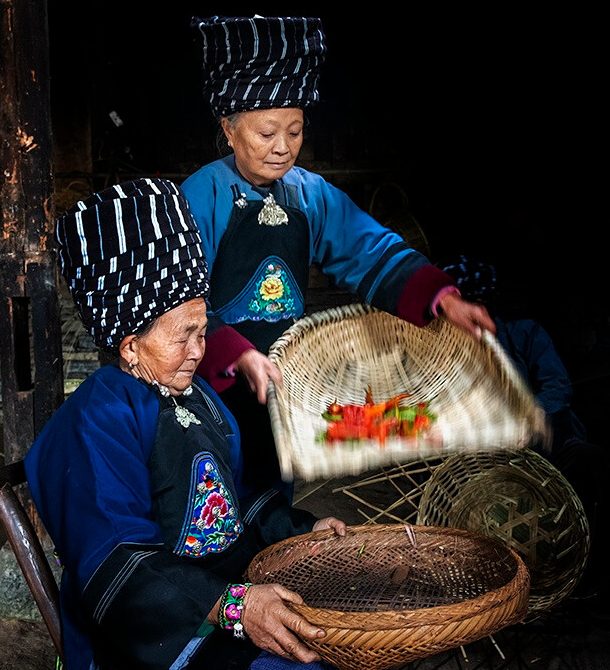
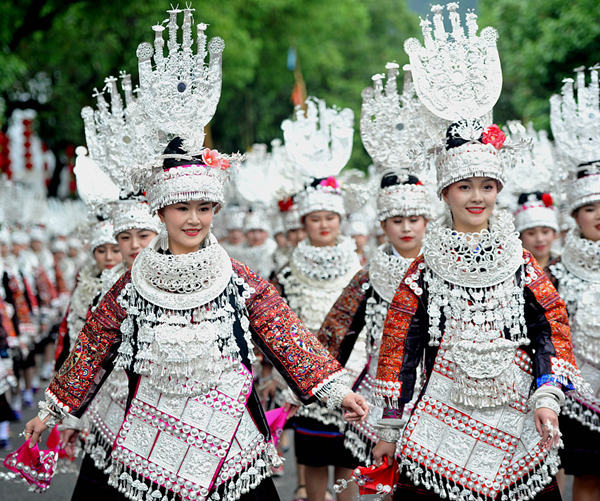
- Black Miao (Southeastern Guizhou, famous for silver ornaments), White Miao (Yunnan, simple and elegant costumes), Flowery Miao (Central Guizhou, batik and embroidery), Green Miao (Central Guizhou), Red Miao (Western Hunan).
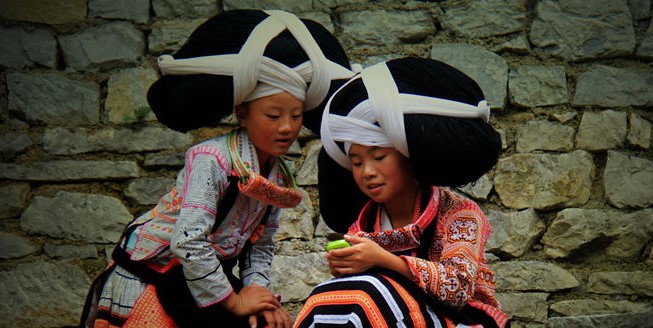
- Some special groups include the “Longhorn Miao” (Liuzhi, Guizhou, women wear longhorn-shaped wooden combs).
V. Cultural Customs
1. Festivals
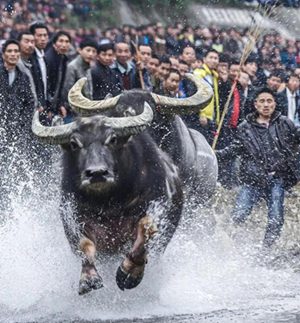
- Miao New Year: The most important festival in southeastern Guizhou, featuring bullfighting, Lusheng dances, and ancestral worship.
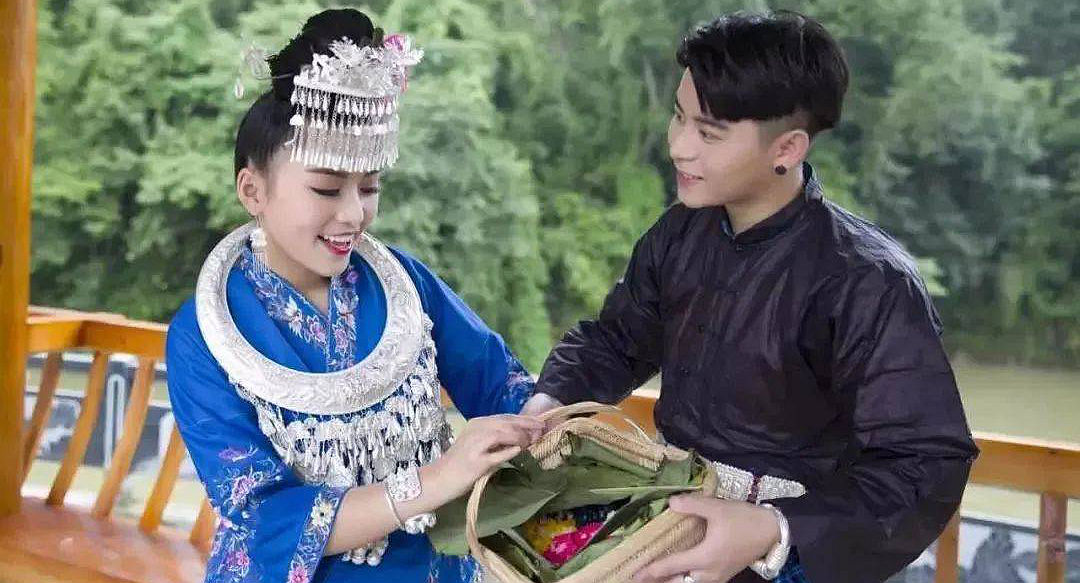
- Sisters’ Meal Festival (Southeastern Guizhou): Women prepare colorful glutinous rice for men, known as the “Oriental Valentine’s Day.”
- April Eighth Festival (Western Hunan): Commemorates ethnic heroes with singing and lion dances.
- Dragon Boat Festival (Shidong, Guizhou): Features dugout canoe races and water god worship.
2. Costumes and Silver Ornaments
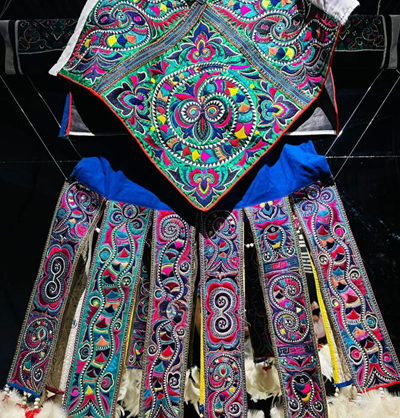
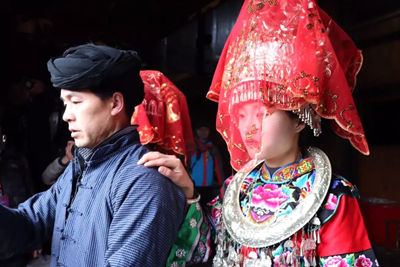
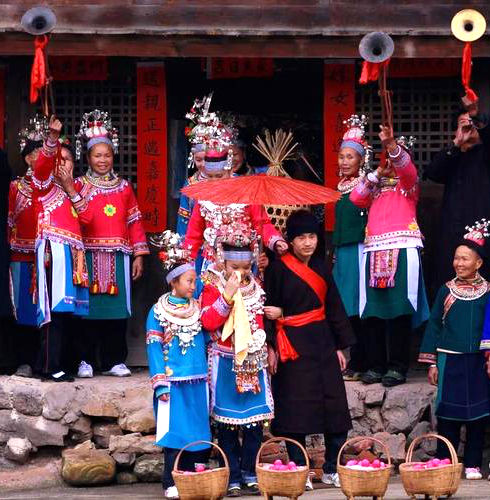
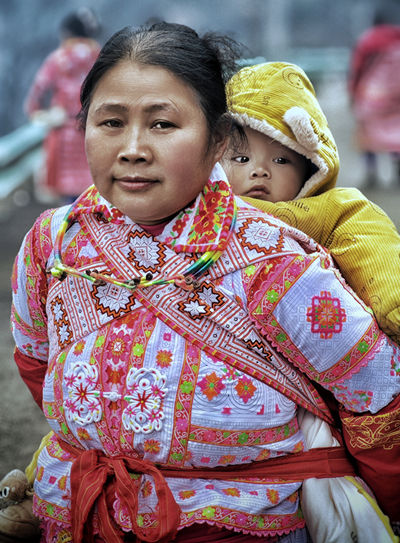
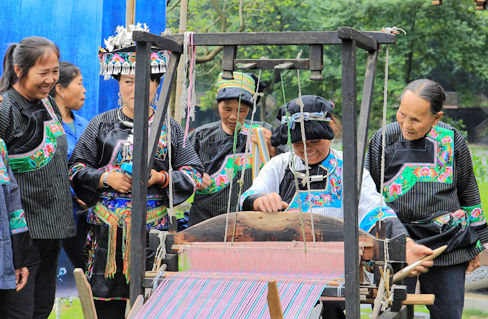
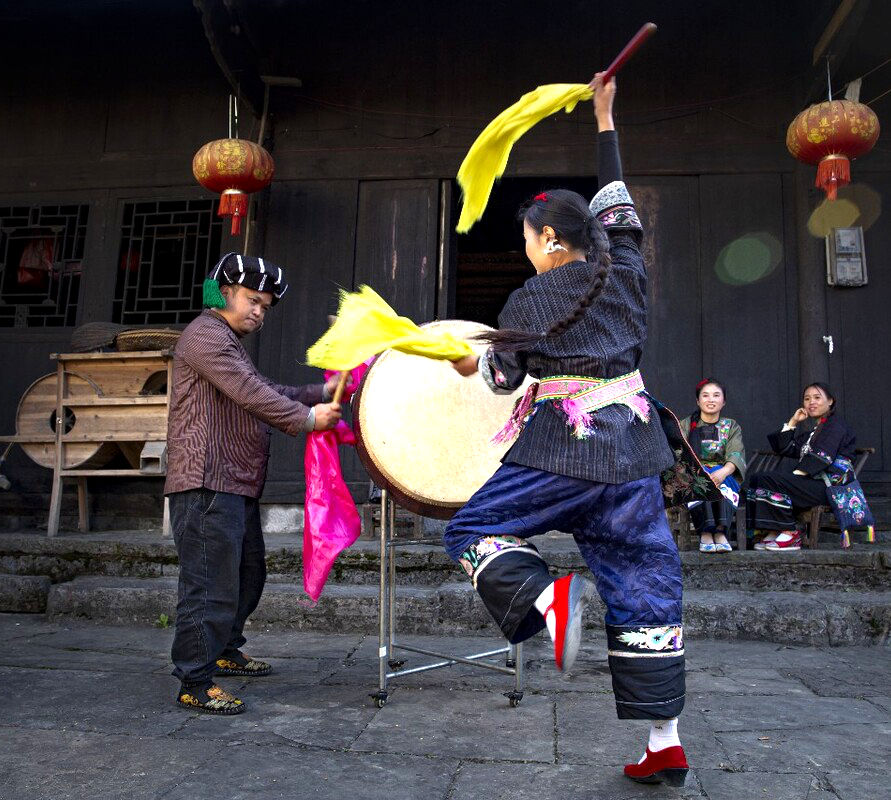
- Costumes are renowned for embroidery and batik, with patterns often recording migration history (e.g., Yellow River, Yangtze River motifs).
- Silver ornaments symbolize status. Women can wear up to 10 kilograms of silver crowns, necklaces, and bracelets during festivals, with craftsmanship listed as national intangible cultural heritage.
3. Music and Dance
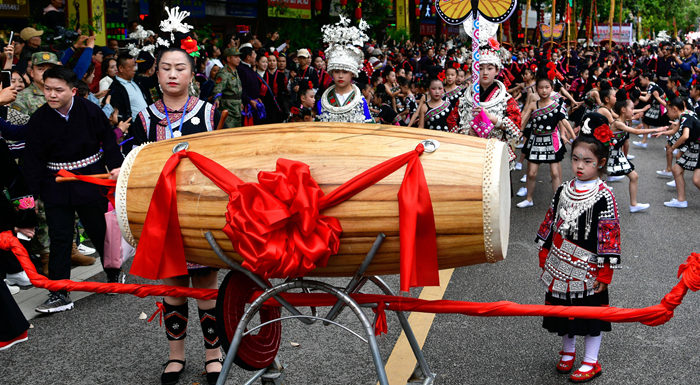
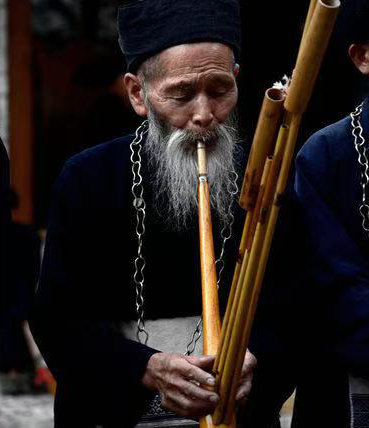
- Lusheng Dance: The Lusheng is a cultural symbol of the Miao, played at major festivals. Southeastern Guizhou is known as the “Home of the Lusheng.”
- Ancient Songs and Flying Songs: Ancient songs recount creation myths, while flying songs are high-pitched mountain songs with strong improvisation.
4. Religious Beliefs
- Nature Worship: Worship of maple trees (regarded as ancestral incarnations), stones, and mountain gods.
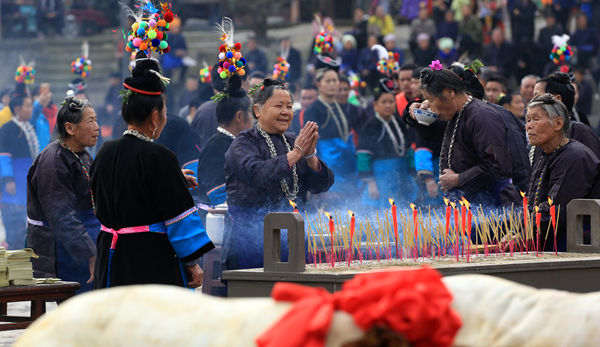
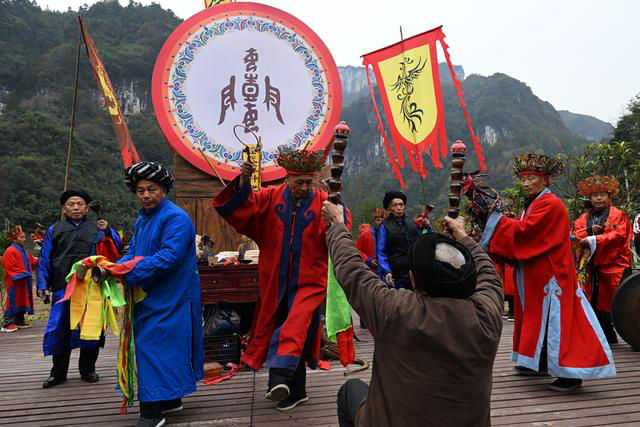
- Ancestor Worship: Regular “Drum Festival” (held every 13 years, featuring bull sacrifices to ancestors).
- Shamanism: “Ghost masters” conduct rituals to communicate with spirits.
5. Architecture
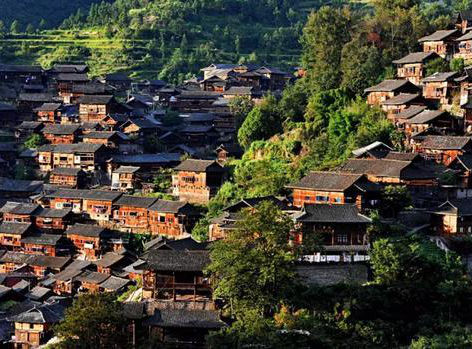
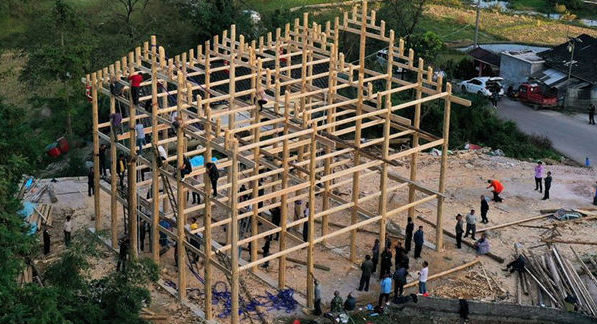
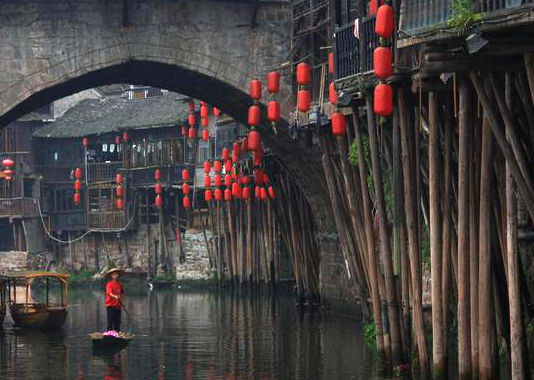
- Diaojiaolou (Stilt Houses): Built on mountainsides, wooden stilt structures with living quarters above and storage below.
- Wind-Rain Bridges (built in collaboration with the Dong people): Combine bridges, pavilions, and corridors with exquisite carvings.
6. Marriage and Social Customs
- Youfang: Young men and women court through singing.
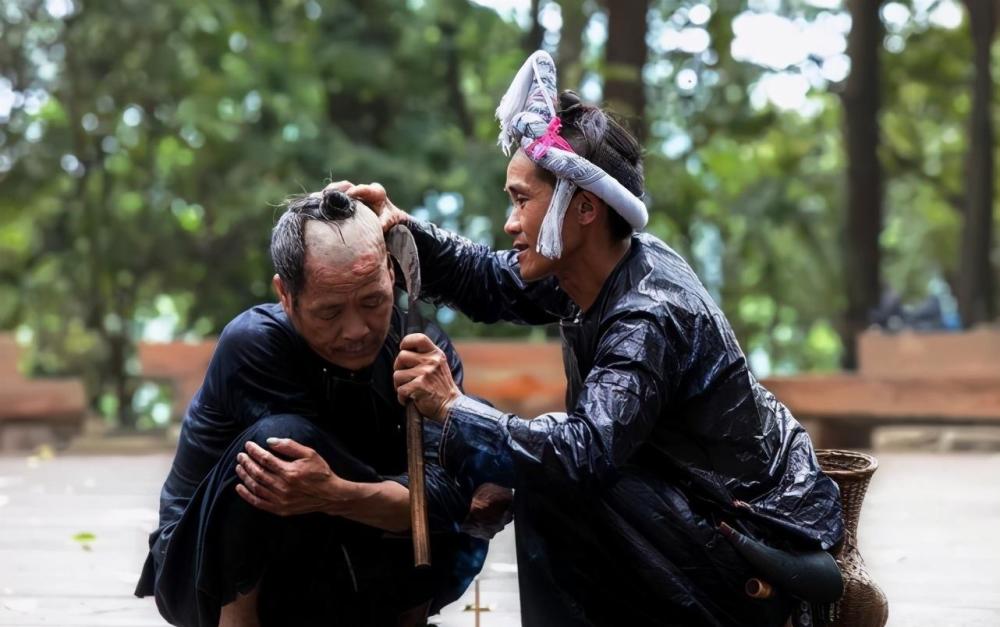
- Not Settling in the Husband’s Home: In some branches, brides temporarily live with their parents after marriage until pregnancy before moving to the husband’s home.
VI. Current Status
Miao culture faces challenges from modernization, but efforts such as intangible cultural heritage protection (e.g., Miao embroidery, Lusheng craftsmanship) and eco-museums (e.g., Suoga in Guizhou) help preserve traditions. Overseas Miao (e.g., Hmong in the U.S.) maintain their traditions while gradually integrating into local societies.
The history and migrations of the Miao people have shaped their resilient ethnic character, and their diverse cultural forms are an integral part of Chinese civilization.
The Miao people are one of China’s ethnic minorities with a long history and rich culture. Their origins, migration history, distribution, branches, and cultural customs are unique and complex. Below is a systematic introduction:


Images of Divisions

 West China Travel