
Amazing Chinese Cuisines
“The people regard food as heaven”-Quoted from an old Chinese saying.
A Culinary Odyssey: Exploring China’s Regional Flavors
1. The Bold North: Where Wheat Reigns Supreme
Regions: Beijing, Shandong, Inner Mongolia
Signature Flavors: Robust, savory, and hearty.
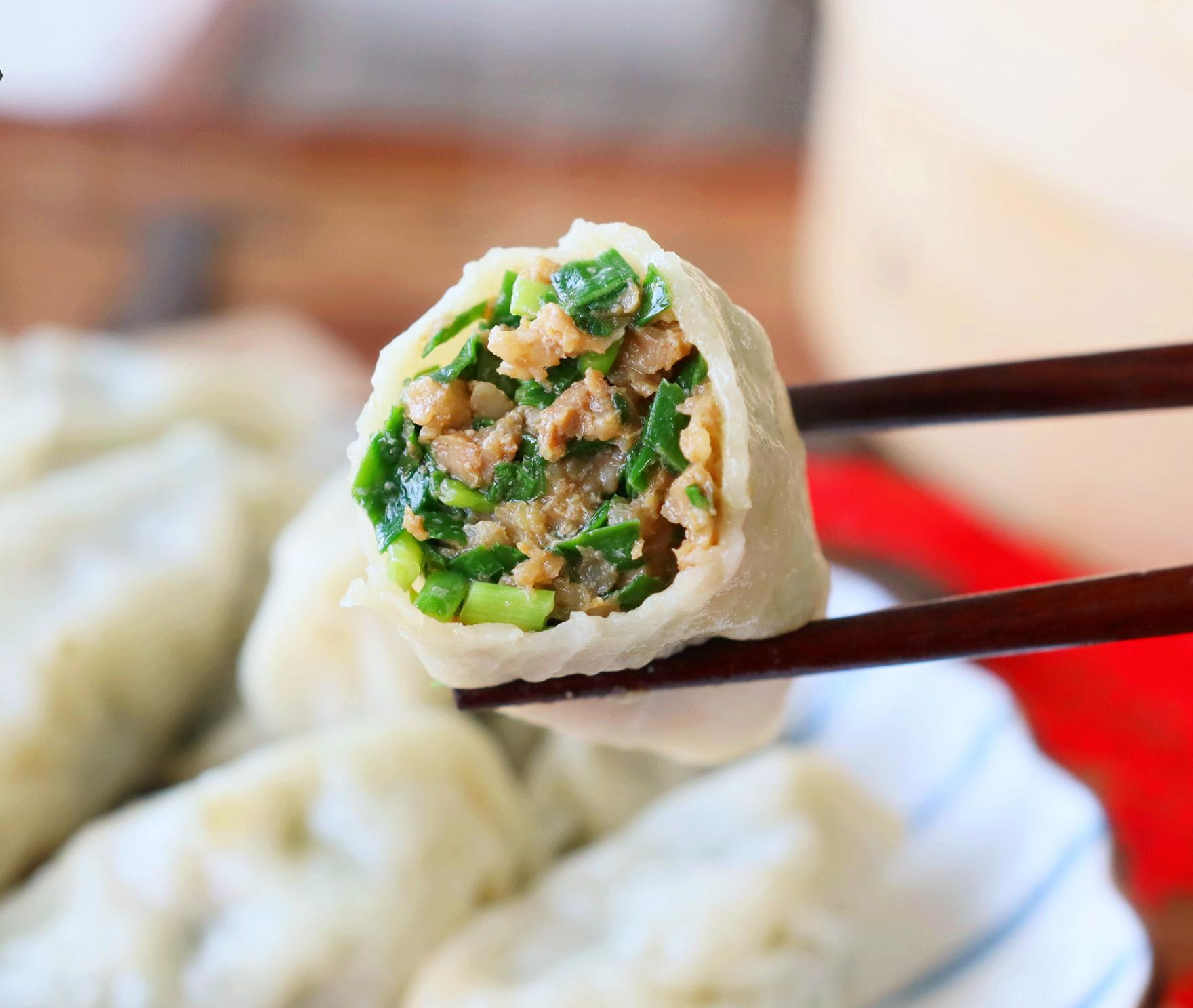
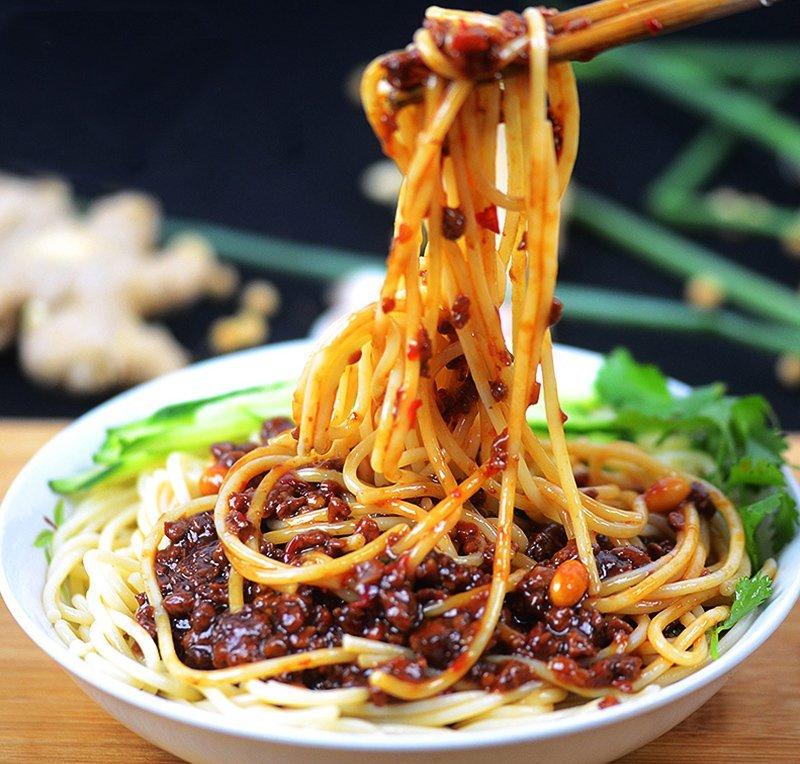
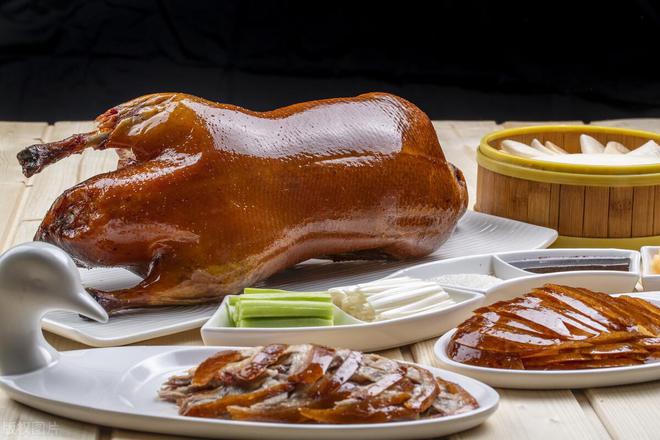
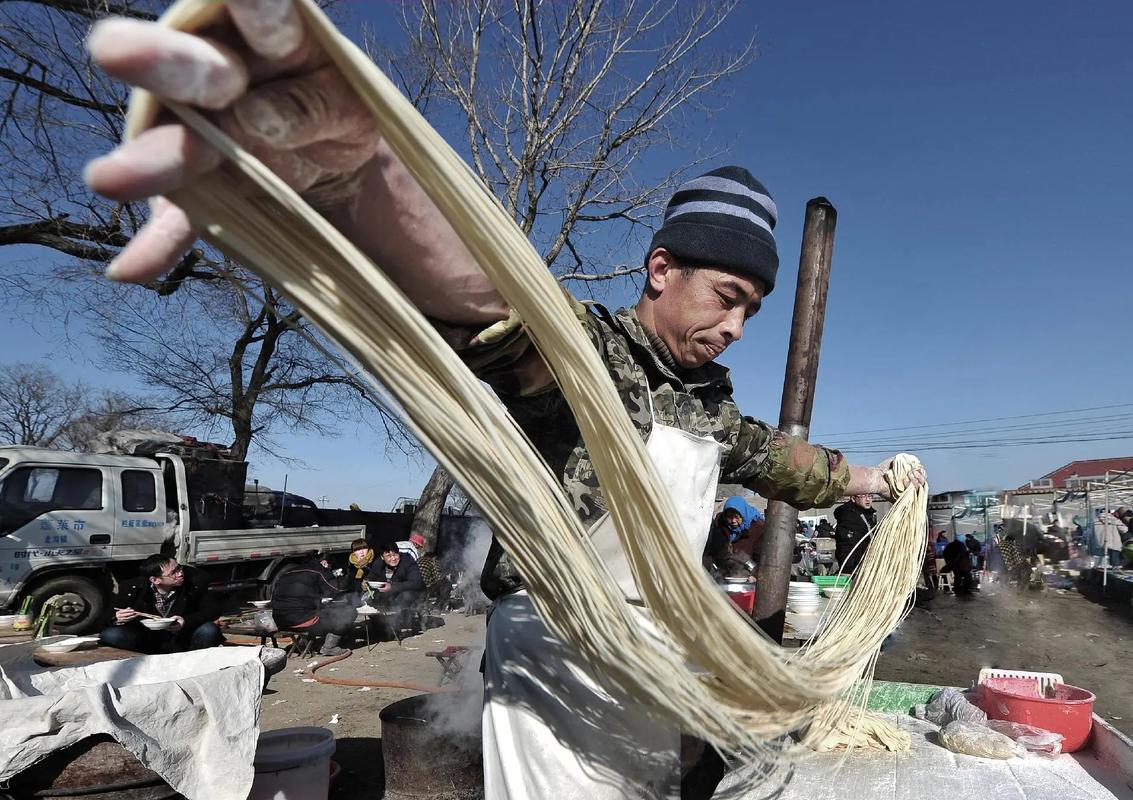
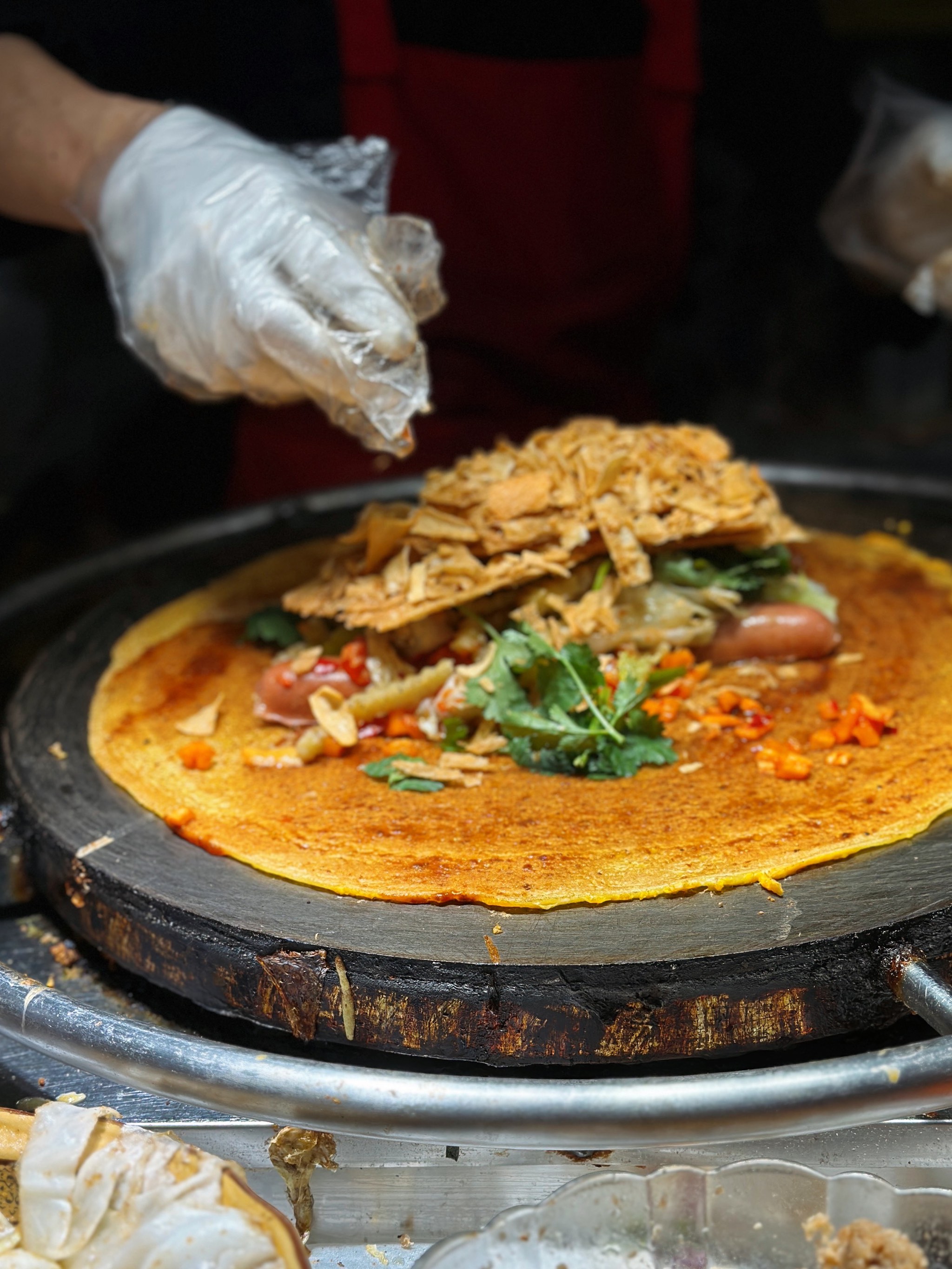
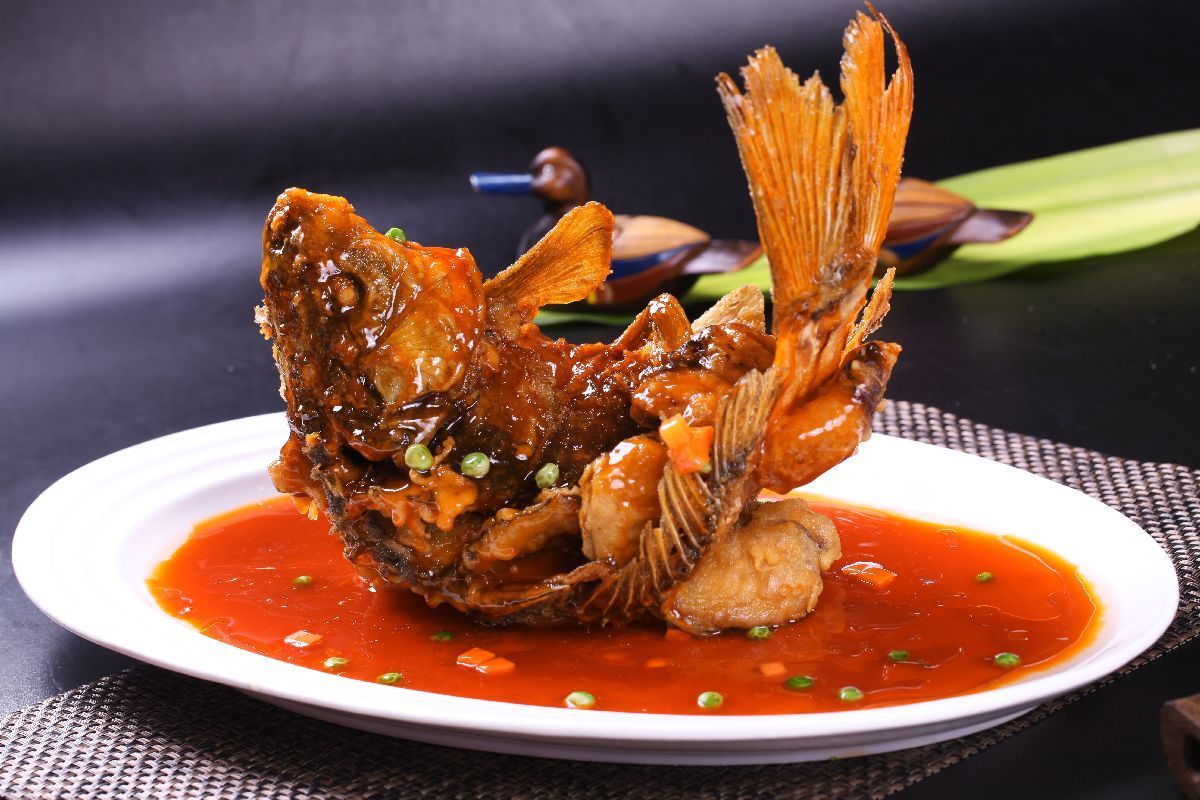
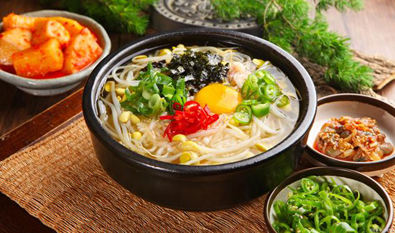
In China’s north, where winters bite and golden wheat fields stretch to the horizon, dumplings (jiaozi) and hand-pulled noodles (lamian) are king. Shandong cuisine, one of China’s oldest culinary traditions, dazzles with its emphasis on seafood and vinegar-infused dishes like Sweet and Sour Carp. Meanwhile, Beijing’s iconic Peking Duck—crispy skin glazed in malt sugar, wrapped in thin pancakes with scallions and hoisin sauce—is a centuries-old imperial legacy. Don’t miss the humble yet satisfying zhajiangmian (noodles with fermented bean paste), a staple that warms souls in bustling Beijing hutongs.
Cultural Bite: Northerners say, “We eat to withstand the cold,” and their carb-rich feasts prove it.
2. Sichuan & Hunan: The Fiery Heartlands
Regions: Sichuan, Hunan
Signature Flavors: Numbing spice, pungent, and addictive.
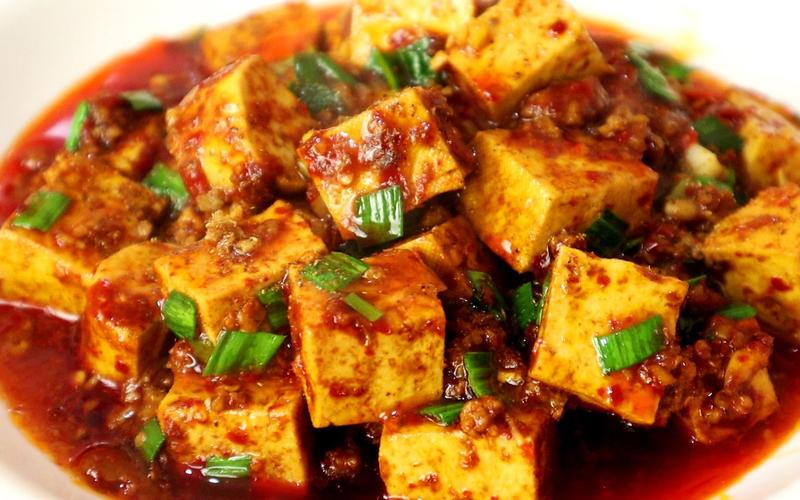
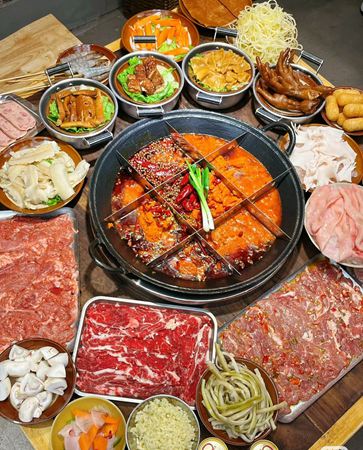
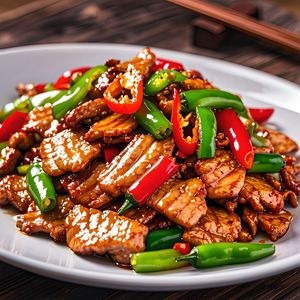
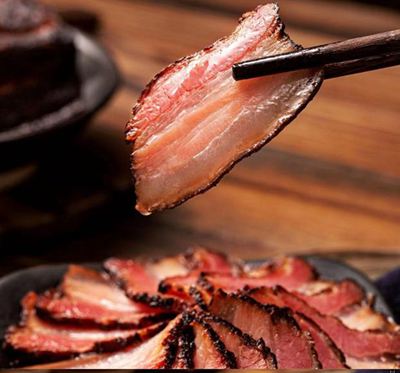
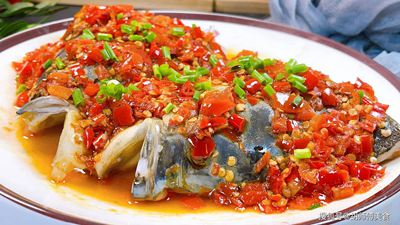
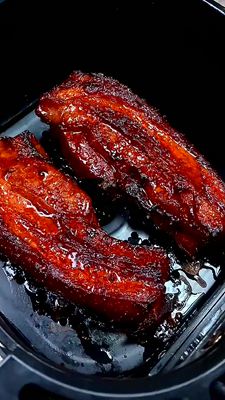
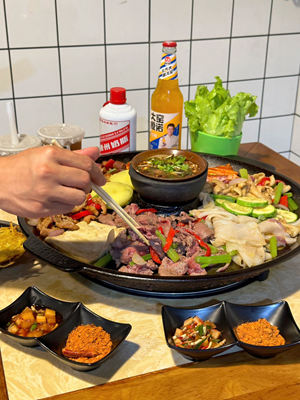
Enter the land where chili peppers and Sichuan peppercorns create a málà (numbing-spicy) euphoria. Sichuan’s Mapo Tofu—silken tofu swimming in a fiery sauce of minced pork and fermented beans—is a flavor explosion. In Hunan, where heat is bold but without the numbing buzz, Chairman Mao’s Red-Braised Pork (a fatty belly stewed in soy sauce and chilies) pays homage to the region’s love for unapologetic spice. Even the snacks thrill: Sichuan’s dan dan noodles and hot pot—a communal cauldron of broth bubbling with meats and mouth-tingling spices—are culinary adrenaline.
Cultural Bite: Locals joke, “Without spice, life lacks flavor.”
3. The Delicate East: Poetry on a Plate
Regions: Jiangsu, Zhejiang, Shanghai
Signature Flavors: Subtle sweetness, fresh, and artfully crafted.
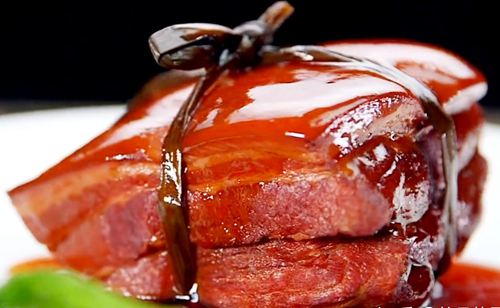
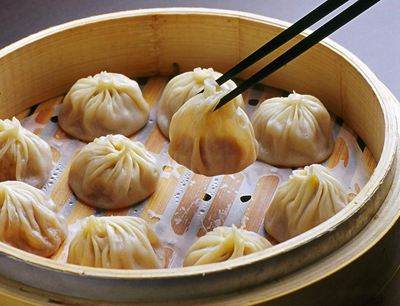
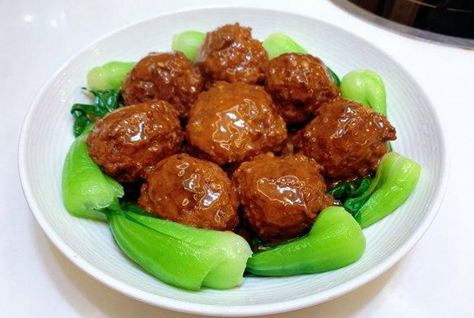
In the Yangtze River Delta, cuisine is an ode to refinement. Jiangsu’s Lion’s Head Meatballs—pork patties simmered in clear broth—melt like clouds. Shanghai enchants with xiao long bao (soup dumplings), delicate purses of dough bursting with hot, savory broth. Zhejiang’s Dongpo Pork, named after a Song Dynasty poet, is a caramelized, wine-braised belly that epitomizes balance. Here, even a simple stir-fried shrimp glistens with the freshness of nearby lakes and seas.
Cultural Bite: Meals here are “edible landscapes,” mirroring the region’s misty hills and waterways.
4. The Subtle South: A Symphony of Freshness
Regions: Guangdong (Cantonese), Fujian
Signature Flavors: Light, umami-rich, and seafood-centric.
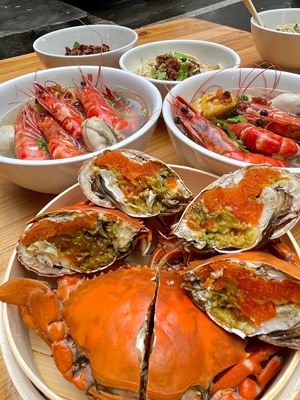
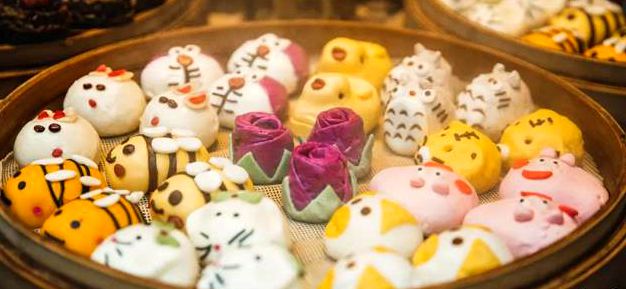
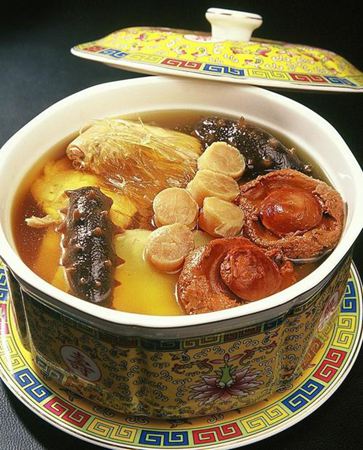
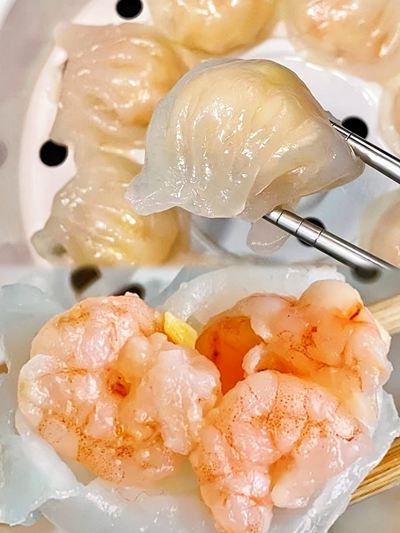
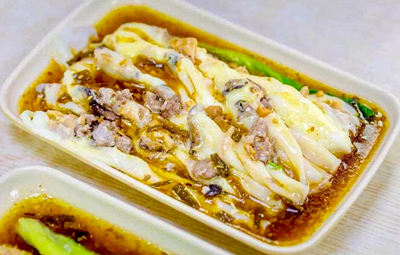
Cantonese cuisine, China’s global ambassador, thrives on “respecting ingredients’ true essence.” Steamed fish with ginger-scallion slivers, char siu (honey-glazed BBQ pork), and har gow (translucent shrimp dumplings) showcase precision. Fujian, hugging the coast, masters soups and Buddha Jumps Over the Wall—a luxurious stew of abalone, shark fin, and quail eggs so fragrant it’s said to tempt monks. Don’t forget dim sum—a parade of bite-sized delights served with jasmine tea in bustling Guangzhou teahouses.
Cultural Bite: Cantonese proverb: “We eat everything that flies, swims, or walks—except airplanes and submarines.”
5. The Wild West: Where Silk Road Spices Linger.
Regions: Xinjiang, Yunnan, Shaanxi
Signature Flavors: Earthy, aromatic, and boldly spiced.
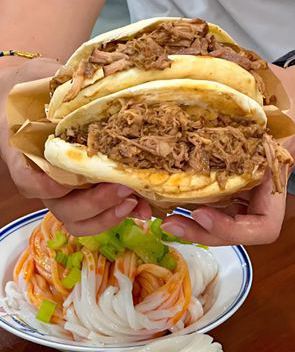
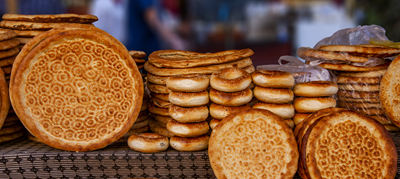
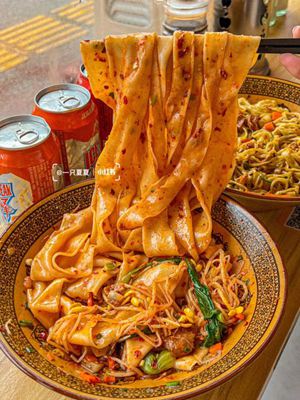
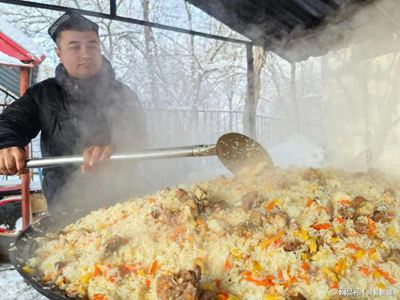
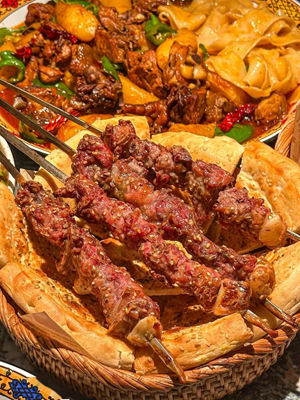
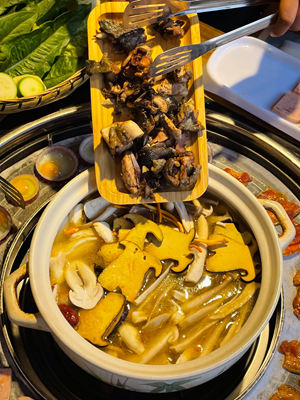
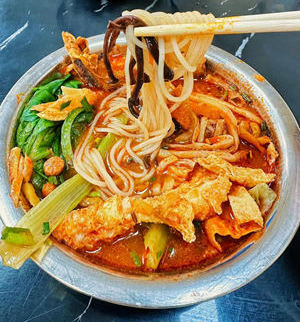
In China’s rugged west, Muslim Uyghur vendors grill chuanr (cumin-laced lamb skewers) over open flames, while laghman (hand-pulled noodles with lamb and peppers) echoes Central Asian influences. Yunnan, a biodiversity hotspot, offers exotic bites like crossing-the-bridge noodles (a DIY feast with raw ingredients cooked in piping-hot broth) and wild mushroom hot pots. Shaanxi’s roujiamo (herb-stuffed flatbread) is hailed as China’s “first hamburger,” a relic of its ancient capital’s hustle.
Cultural Bite: Xinjiang’s food mirrors its Silk Road past—a blend of Persian, Turkic, and Han Chinese flavors.
6. The Mysterious Southwest: Fiery and Fermented
Regions: Guizhou, Guangxi
Signature Flavors: Sour, spicy, and fermented.
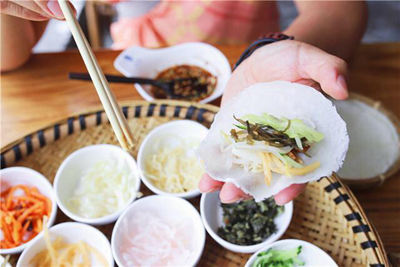
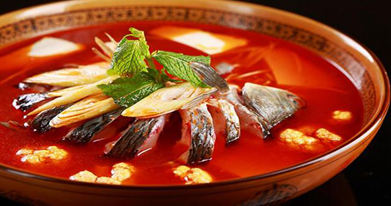
In Guizhou, the Miao and Dong ethnic minorities craft sour fish soup, fermented for days with tomatoes and chilies, while siwawa (herb-packed rice wraps) burst with freshness. Guangxi’s luosifen—a pungent rice noodle soup with river snails and pickled bamboo—divides locals and tourists but is unforgettable.
Cultural Bite: Guizhou’s love for sour flavors stems from ancient preservation techniques in humid climates.
Conclusion: A Feast of Unity in Diversity.
Chinese cuisine is more than food—it’s a story of geography, history, and human ingenuity. Whether you’re savoring a delicate Cantonese dim sum or braving Sichuan’s peppercorn haze, each bite connects you to centuries of tradition. As the old saying goes, “The people regard food as heaven” (民以食为天)—and in China, that heaven is endlessly varied, irresistibly delicious, and waiting to be explored.
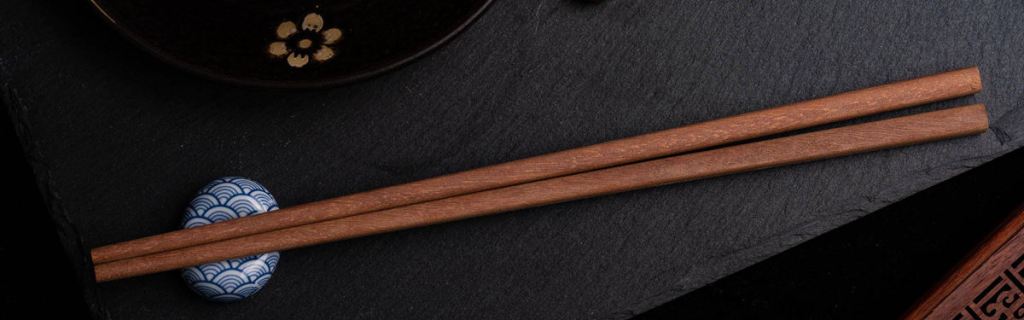
Ready to Taste the Journey? Grab chopsticks, follow your nose, and let China’s regional flavors rewrite your culinary map
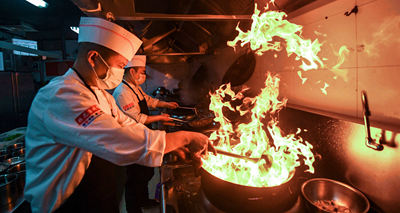
China’s vast landscape—a tapestry of snow-capped mountains, fertile river valleys, and sprawling coastlines—has given birth to one of the world’s most diverse and enchanting culinary traditions. From the fiery woks of Sichuan to the delicate dim sum teahouses of Guangdong, Chinese cuisine is a symphony of flavors, textures, and stories. Let’s embark on a mouthwatering journey through its regional gems.


 West China Travel