
The Historical Frame Of Great China


China’s History In Ten Minutes
China’s history, often celebrated as spanning 5,000 years, is a rich tapestry of cultural, philosophical, and political evolution, marked by successive dynasties and enduring contributions to global civilization.
Ancient Foundations: Xia and Shang Dynasties
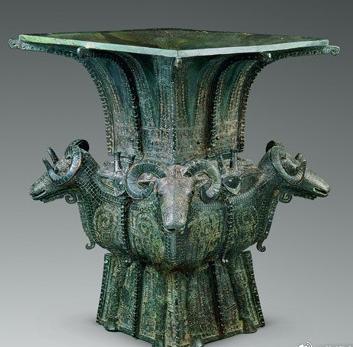
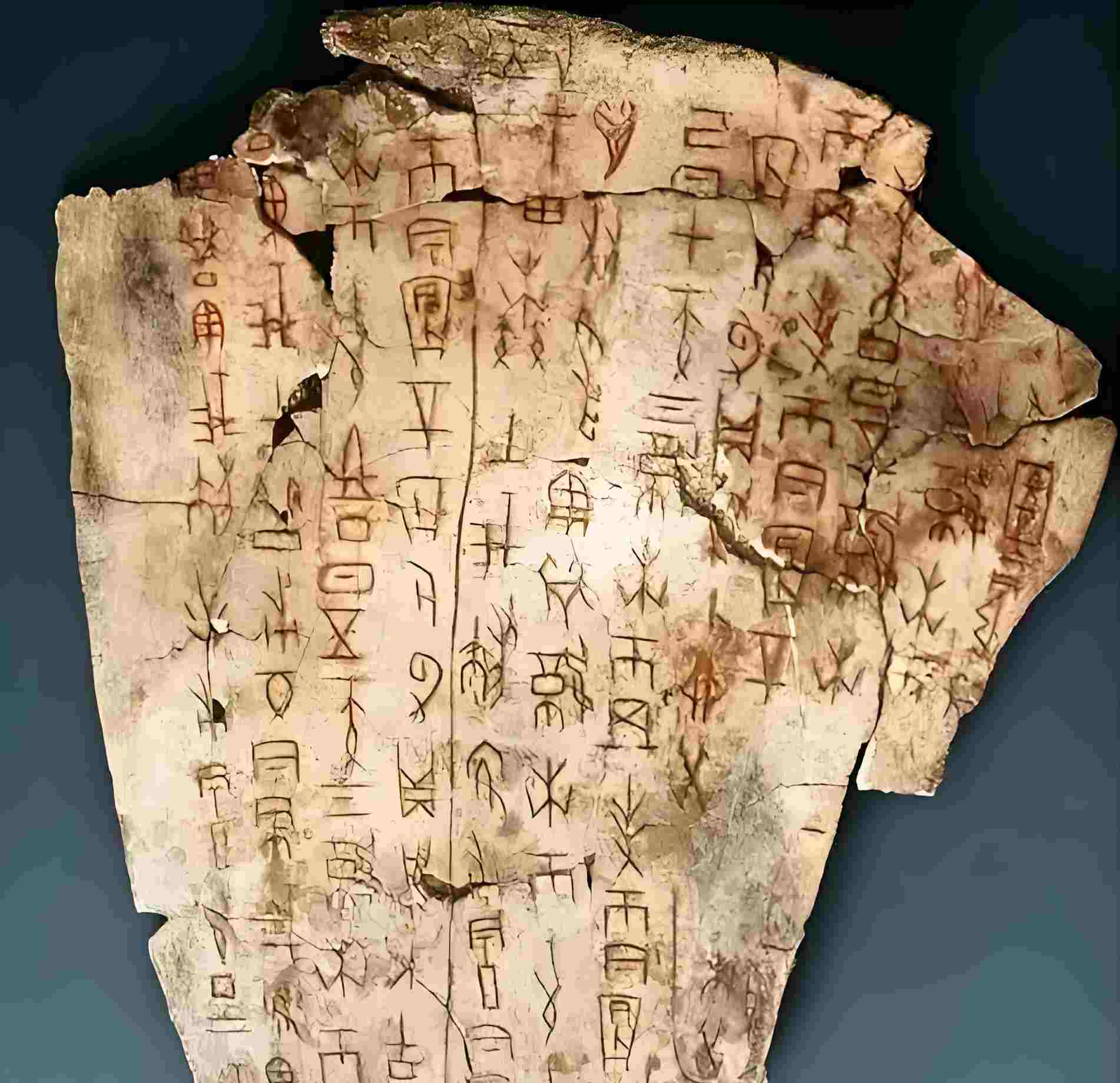
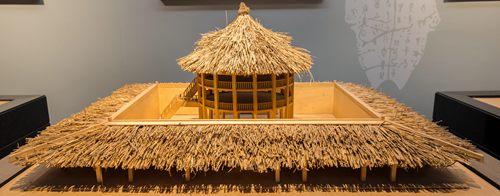
The legendary Xia Dynasty (c. 2070–1600 BCE), though debated due to limited archaeological evidence, is traditionally credited with establishing China’s first hereditary monarchy. Sima Qian’s Records of the Grand Historian describes it as a period of flood control and bronze tool development. The succeeding Shang Dynasty (c. 1600–1046 BCE) left tangible proof of its existence: oracle bones inscribed with proto-Chinese script, used for divination rituals. These artifacts, discovered at Yinxu (modern Anyang), reveal a society steeped in ancestor worship and advanced bronze metallurgy, exemplified by intricately cast ritual vessels like the zun and ding . The Shang also built walled cities, such as Zhengzhou, showcasing early urban planning.
Zhou Dynasty: Feudalism and Philosophy
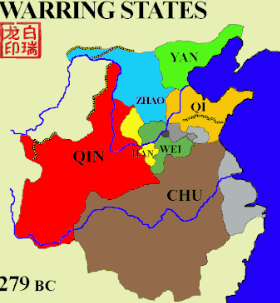
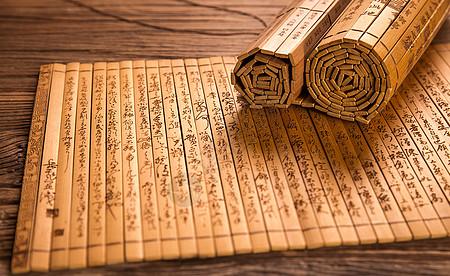
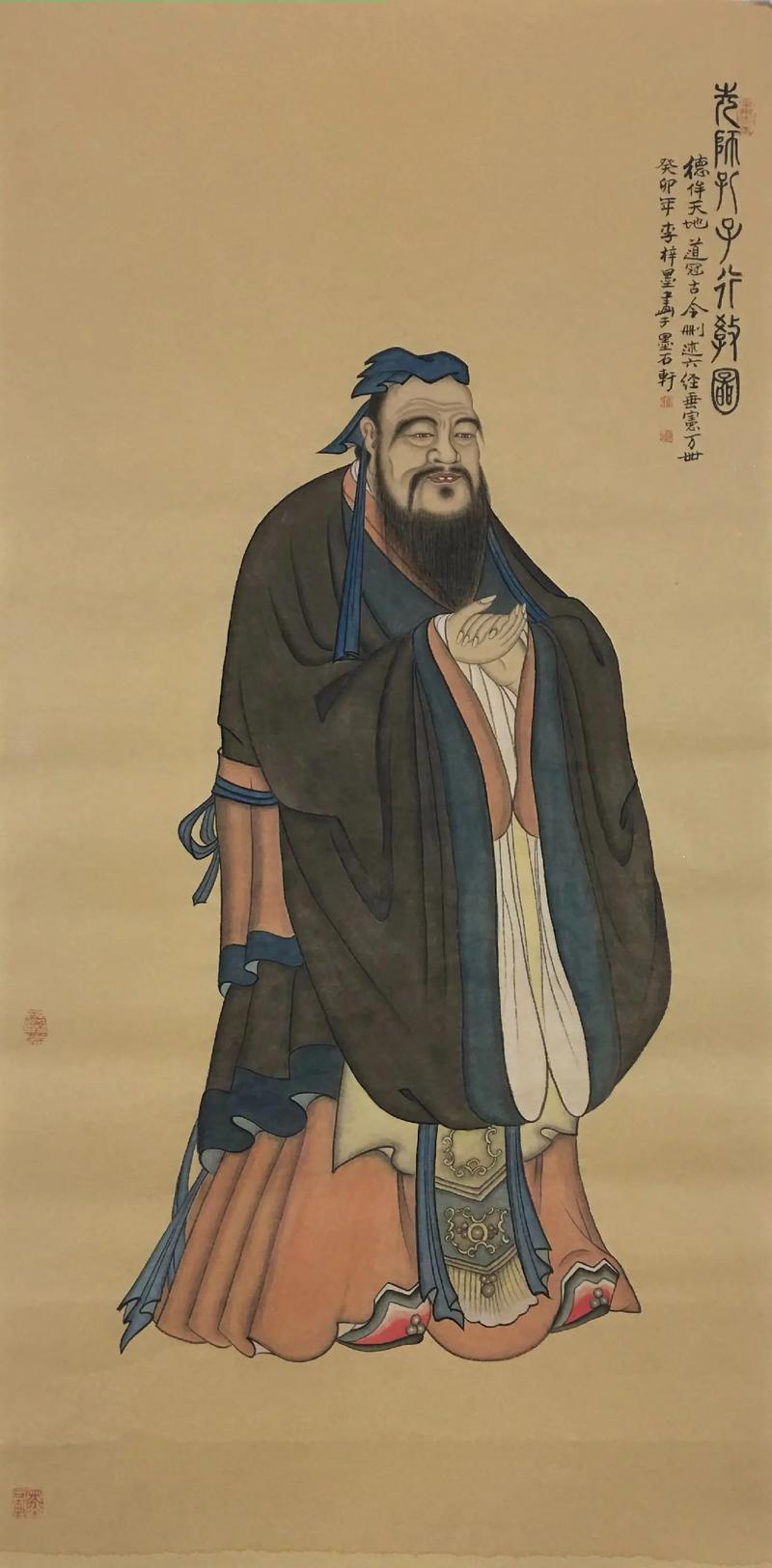
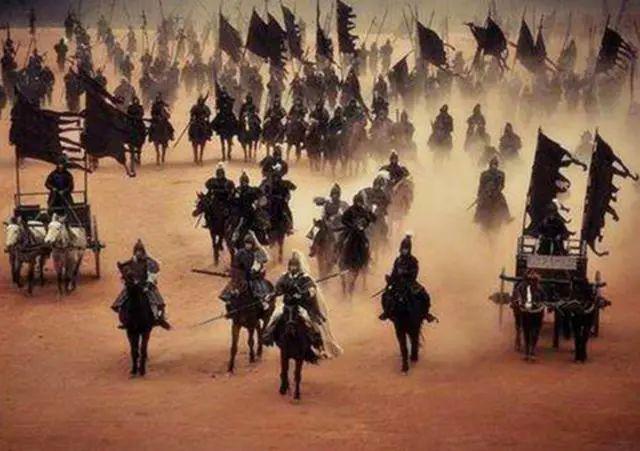
The Zhou (1046–256 BCE) overthrew the Shang at the Battle of Muye, justifying their rule through the Mandate of Heaven—a doctrine asserting divine approval based on virtuous governance. This era saw the rise of feudal states, but decentralization during the Spring and Autumn Period (770–476 BCE) led to warfare and intellectual ferment. Philosophers like Confucius (emphasizing ethics) and Laozi (advocating Daoist harmony) emerged, while Legalists like Shang Yang promoted strict laws. The Warring States Period (475–221 BCE) culminated in Qin’s militaristic unification 1.
Qin Dynasty: The First Empire
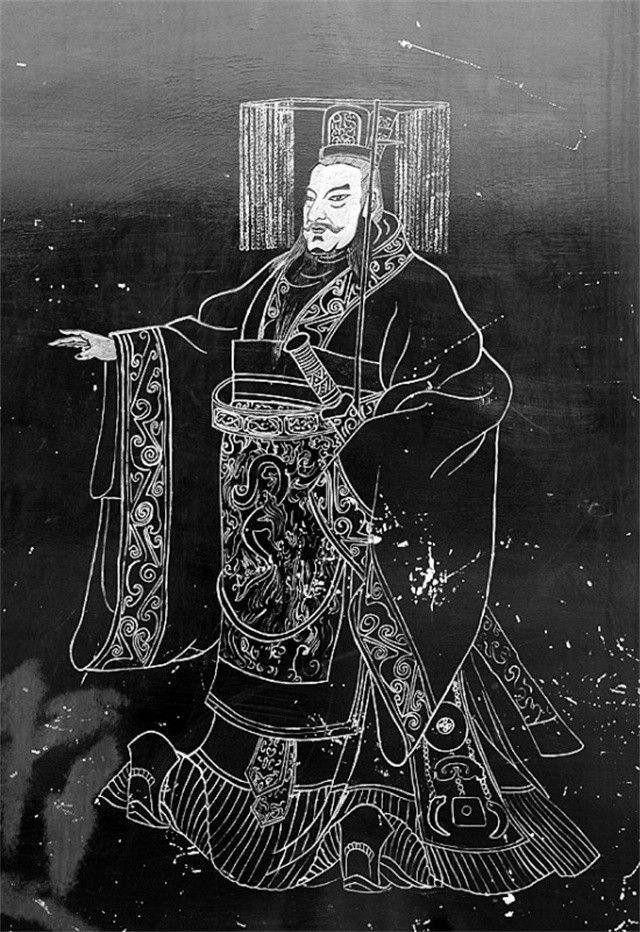
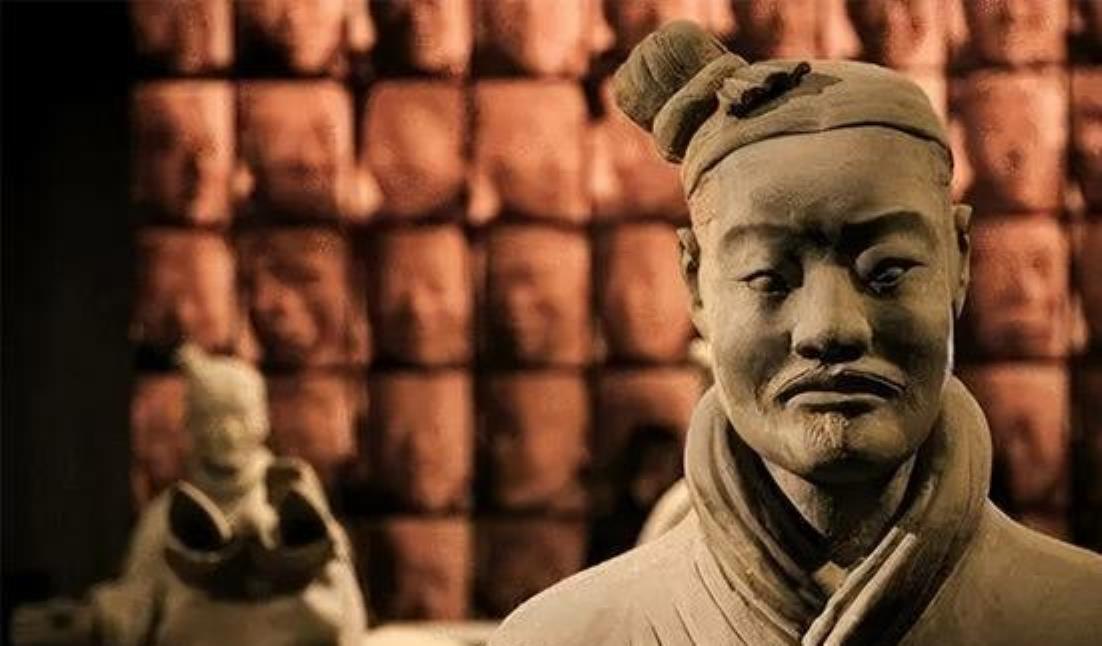
Qin Shi Huang (r. 221–210 BCE) standardized weights, scripts, and currency, but his reign was marked by tyranny: burning Confucian texts, executing dissenters, and mobilizing laborers to build the Great Wall and his Terracotta Army—a mausoleum guarded by 8,000 life-sized clay soldiers. Though short-lived, the Qin laid the administrative framework for imperial China
Han Dynasty: The Golden Age
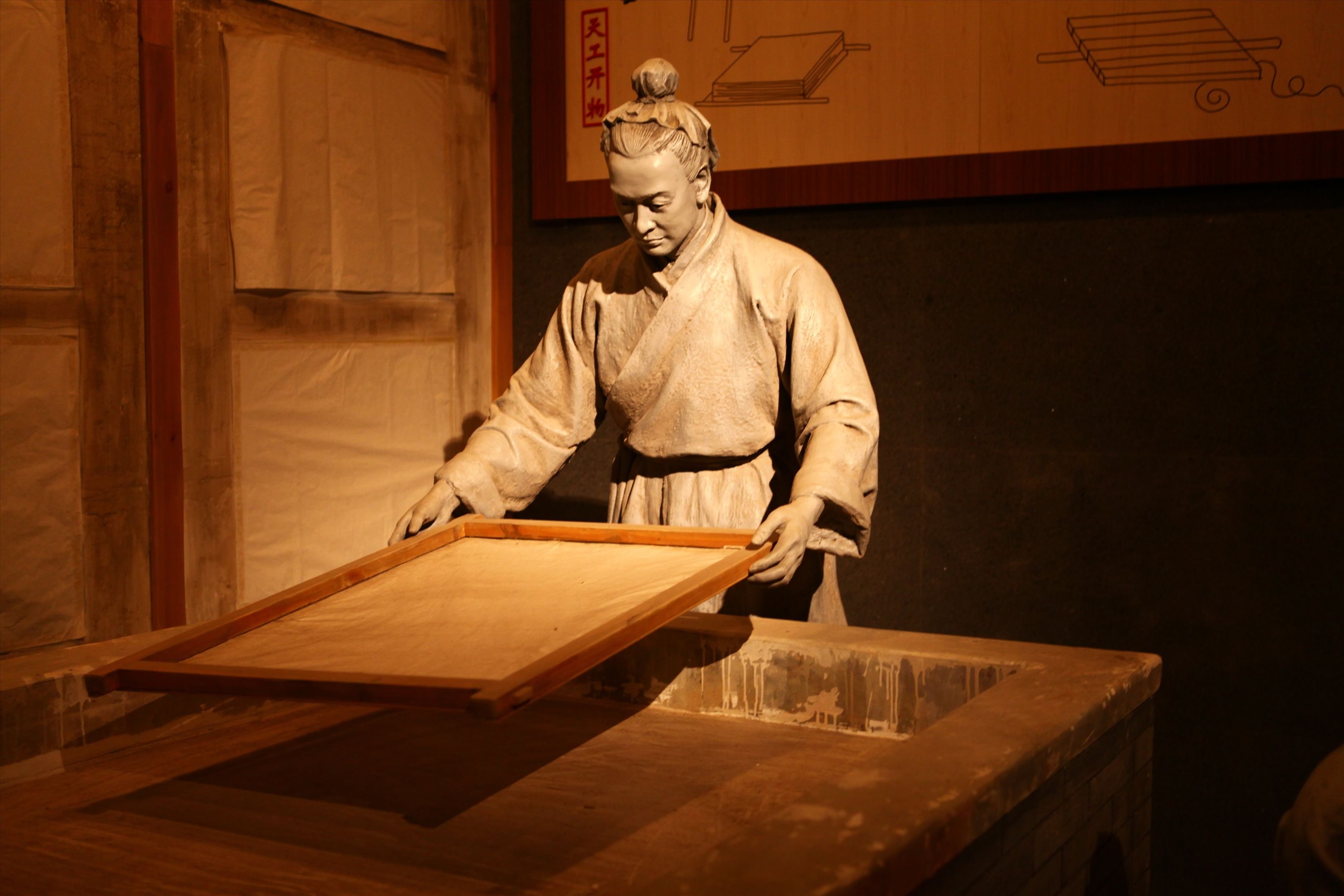
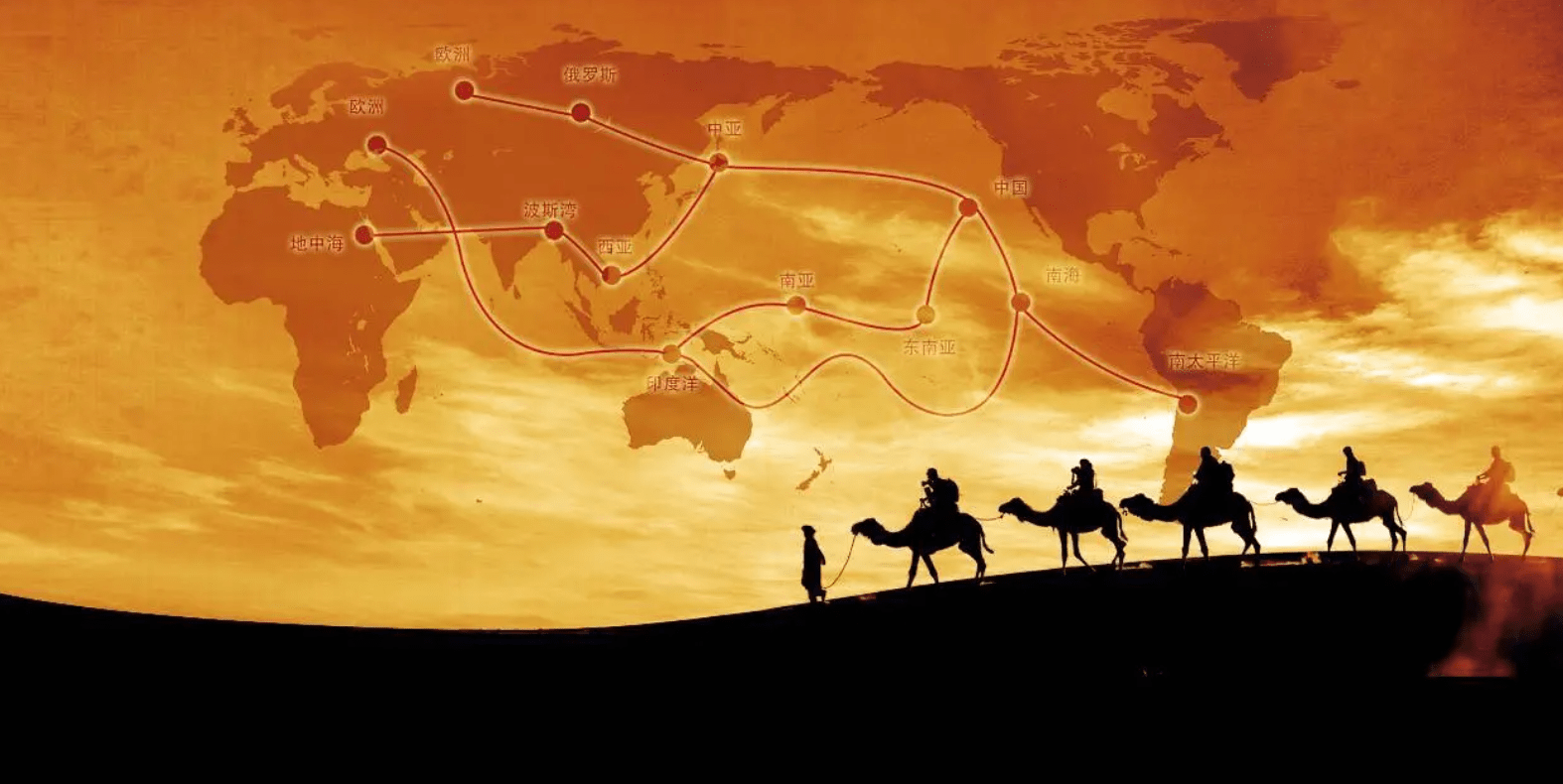
The Han (206 BCE–220 CE) embraced Confucianism as state ideology, fostering civil service exams and scholarly elites. Innovations like papermaking (attributed to Cai Lun) and the seismograph revolutionized culture and science. Emperor Wu’s expansion into Central Asia opened the Silk Road, linking China to Rome via trade in silk, spices, and ideas. However, land monopolies by aristocrats and the Yellow Turban Rebellion (184 CE) triggered collapse, splintering China into the Three Kingdoms 1.
Tang and Song: Cultural Flourishing
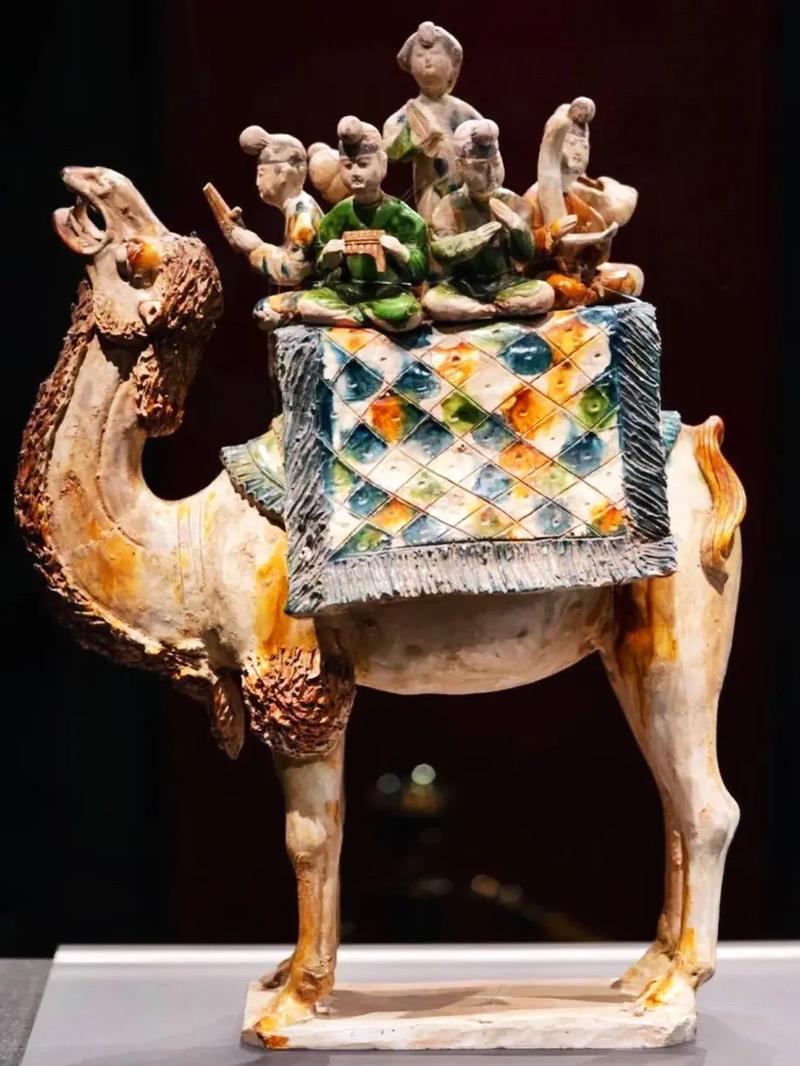
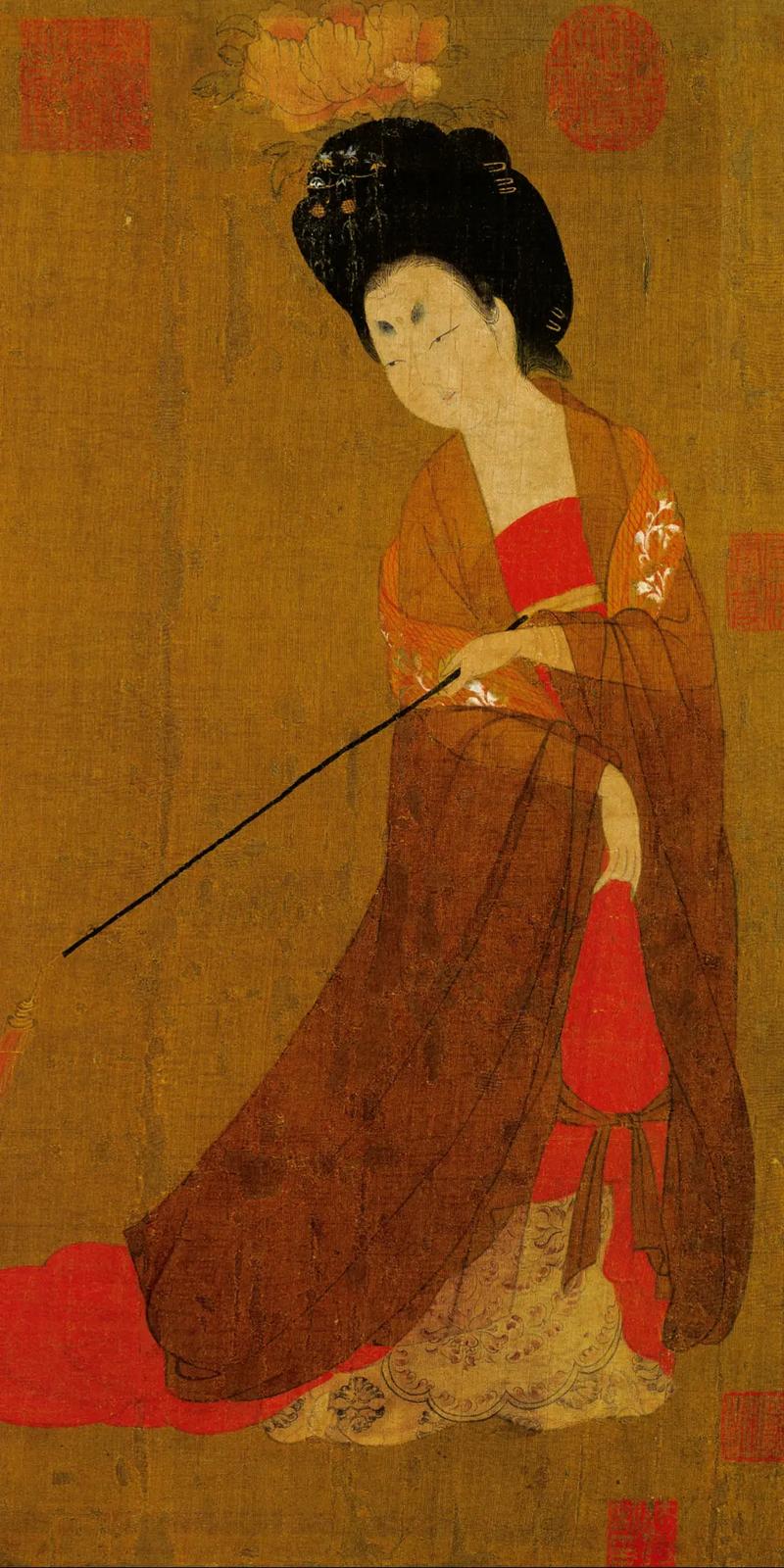
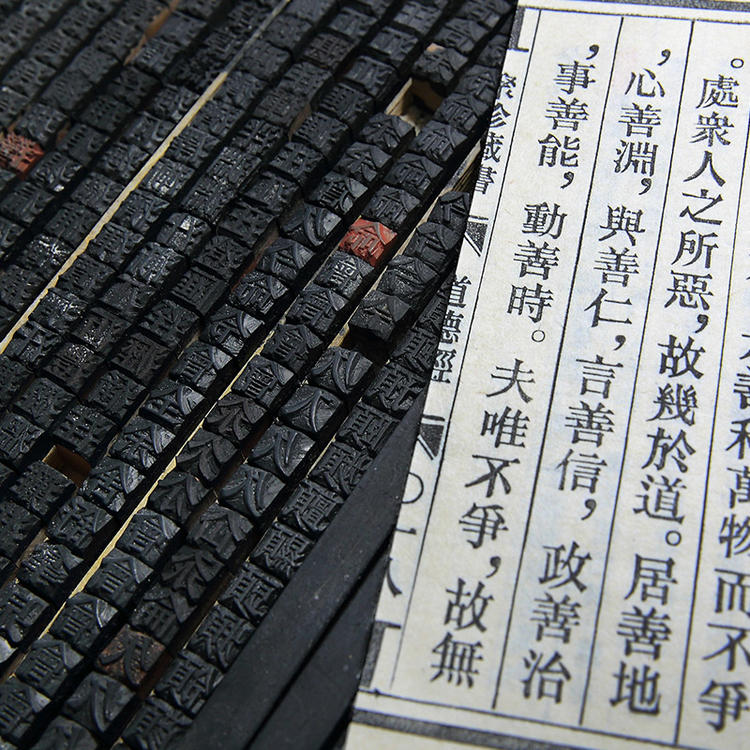
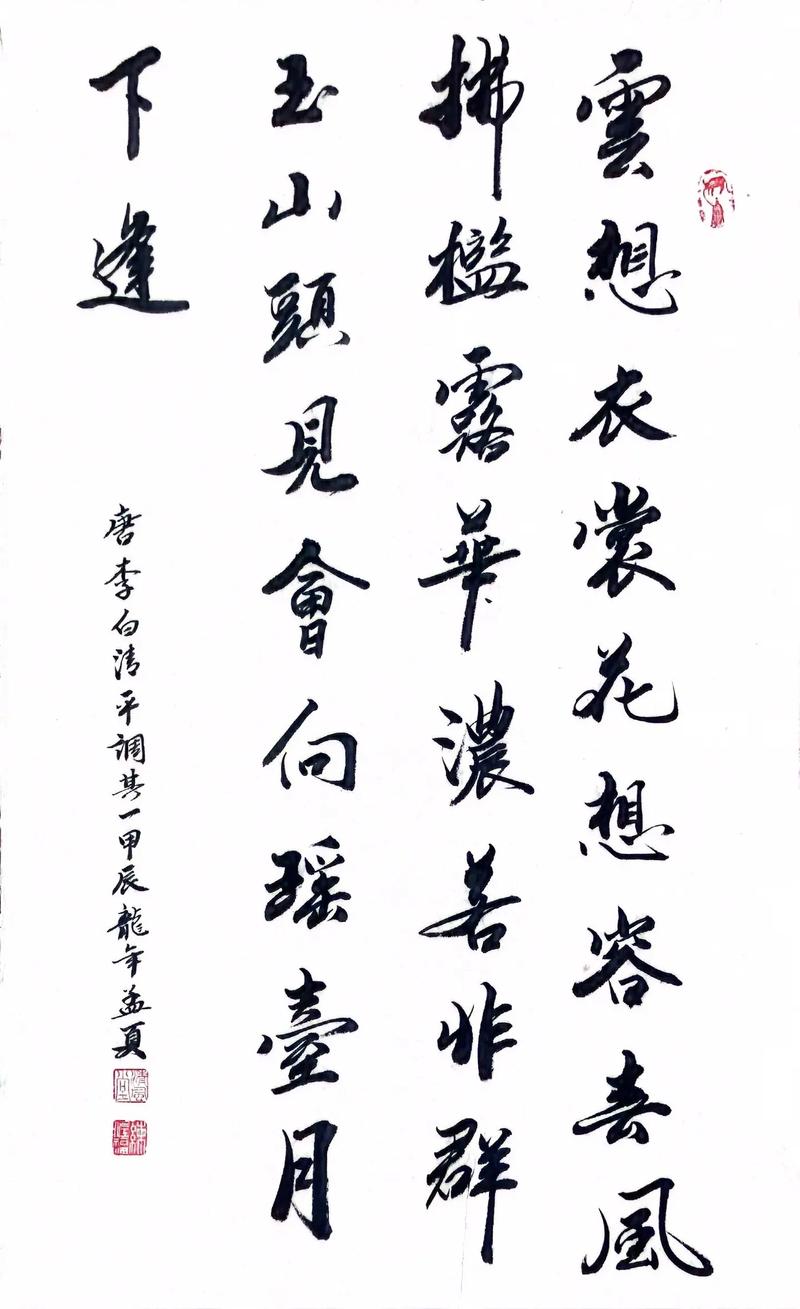
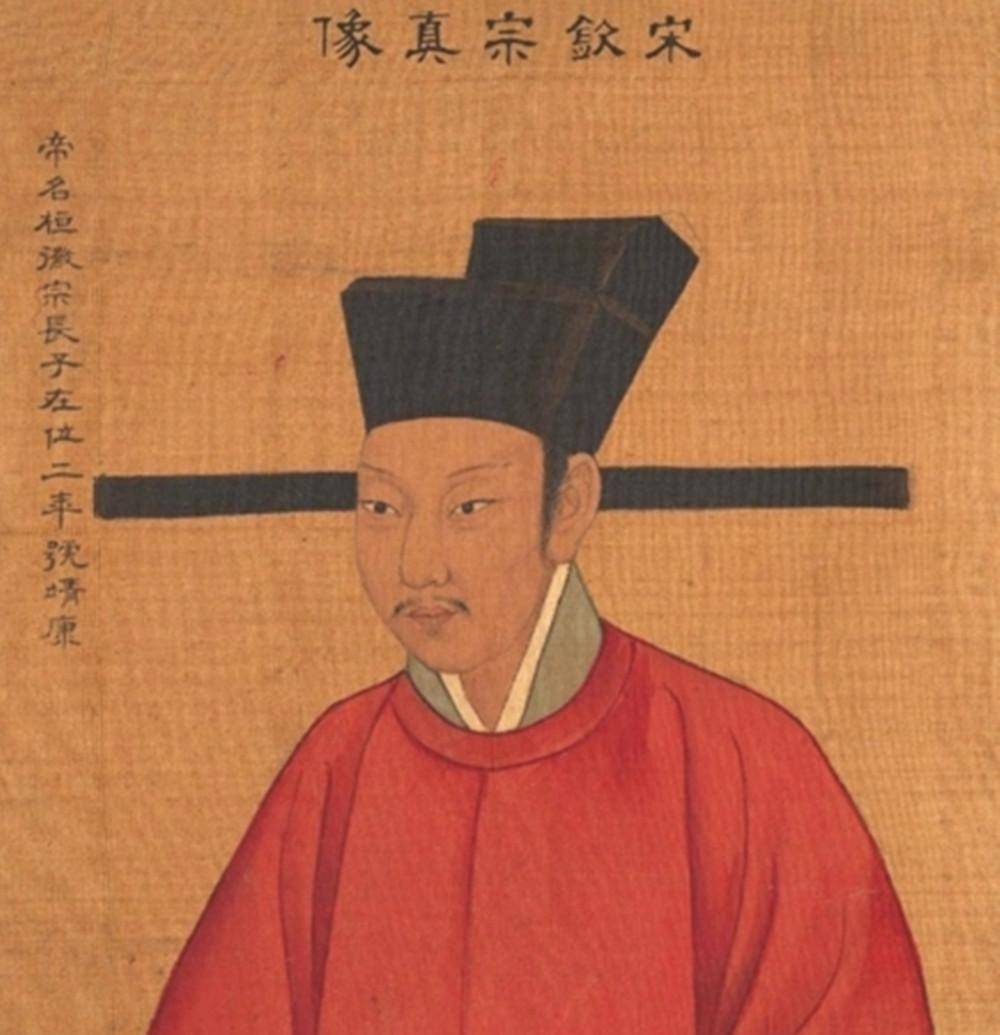
The Tang (618–907 CE) epitomized cosmopolitanism: its capital Chang’an (Xi’an) was a global hub with Persian merchants, Nestorian Christians, and Buddhist monks. Poetry thrived with figures like Li Bai, while woodblock printing spread literature. The Song (960–1279 CE) pioneered movable-type printing, paper money, and naval technologies like the magnetic compass. Neo-Confucianism synthesized philosophy, but Mongol invasions ended their rule 1.
Yuan and Ming: Mongol Rule and Han Revival
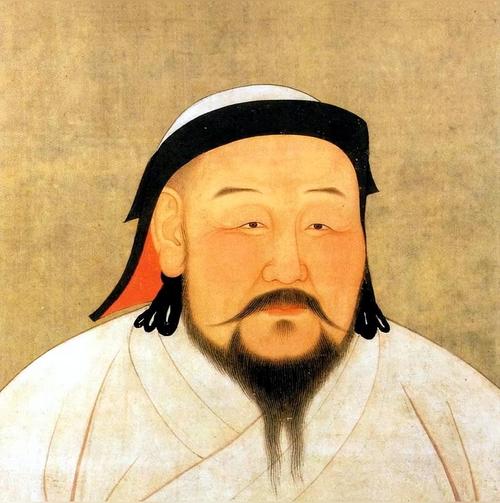
The Yuan (1271–1368), led by Kublai Khan, integrated China into the Mongol Empire, fostering Eurasian exchange (e.g., Marco Polo’s travels). The Ming (1368–1644) restored Han dominance, constructing the Forbidden City and commissioning Zheng He’s voyages (1405–1433), where colossal treasure ships reached East Africa. However, isolationism and corruption weakened the dynasty
Qing Dynasty: The Last Imperial Chapter
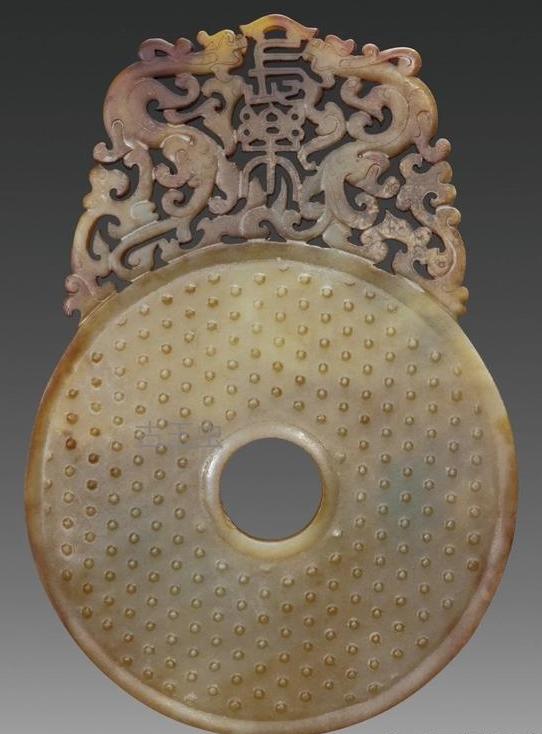
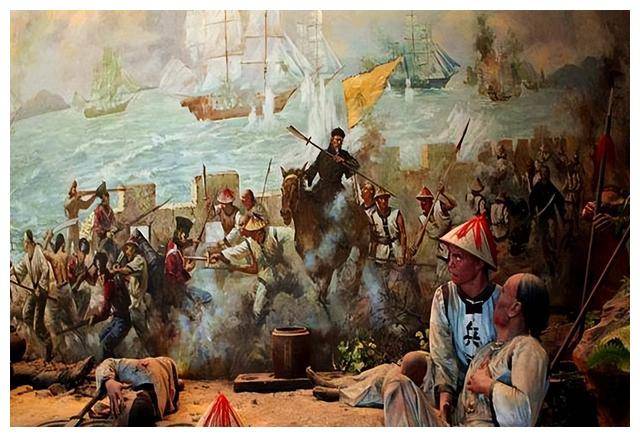
Founded by the Manchu, the Qing (1644–1912) expanded China’s borders to include Tibet and Xinjiang. The Kangxi and Qianlong emperors patronized arts like jade carving and porcelain, but internal rebellions (e.g., Taiping) and Opium Wars with Britain exposed imperial decline. The 1911 Revolution toppled the dynasty, ending millennia of imperial rule
The People’s Republic Of China: New Era
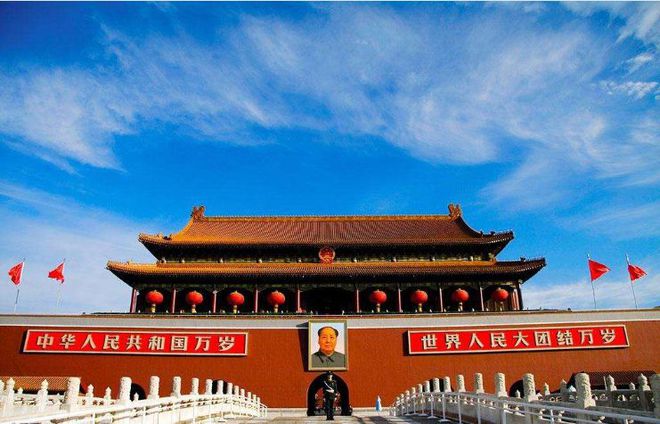
The New China, namely the People’s Republic of China, was established on October 1, 1949. It is a socialist country under the leadership of the Communist Party of China. Its founding marked a new stage in Chinese history and initiated the great journey of the path of socialism with Chinese characteristics.
 West China Travel